Amazon A+ Content: Advantages, Possibilities and Step by Step Guide
Learn how Amazon A+ Content helps sellers and vendors improve product pages with visuals, brand storytelling, comparison tables, and Premium A+ modules.

On an online marketplace like Amazon, providing as much information as possible about your product is essential. Potential customers cannot view, hold, or test the product in person as they would in a physical store, which makes the images and copy on the Amazon product detail page even more important. The offline shopping experience needs to be translated into the online environment.
That is why Amazon offers free Amazon A+ Content in addition to the standard product detail page elements such as bullet points, product images, and the product description. A+ Content allows sellers and vendors to add additional images, comparison tables, short copy, and, depending on the format, interactive modules or videos.
A+ Content also creates branding opportunities on a platform where product pages otherwise follow a largely standardized structure. It gives brands the chance to communicate their own look and feel.
Since A+ Content, formerly known as Enhanced Brand Content, is no longer an exception on Amazon, a strong structure and high-quality content are essential for standing out from the competition. Especially on mobile, this type of content is highly visible and plays a key role in helping customers quickly understand a product and build trust in the brand.
Below, we explain what A+ Content is, what options it offers, and how to create A+ pages step by step.
What is A+ Content?
A+ Content is an extension of the standard product description on the product detail page. It usually appears in the product description section. Using various elements provided by Amazon, brands can create the impression of a small branded website with its own corporate identity directly within the Amazon product page.
With the A+ Content Manager, which can be accessed through Vendor Central or Seller Central, brands can create customized, brand-specific content that provides end customers with additional information about the brand, its products, and their USPs. This content is characterized by strong visuals and concise copy that work together to create a coherent, informative, and appealing overall impression, complementing the standard product detail page content.
The individual design elements can be combined flexibly, allowing the overall appearance of the A+ page to be adapted to the brand’s needs.
Amazon provides different A+ Content templates and modules that sellers and vendors can select depending on the content type.
Today, Amazon generally distinguishes between three types:
· Basic A+ Content
· Amazon Premium A+ Content
· A+ Brand Story
Basic A+ Content is particularly suitable for classic product information, explanatory images, and comparison tables. Amazon Premium A+ Content offers additional design options such as videos, larger image areas, hotspots, carousel modules, and Q&A modules. The A+ Brand Story focuses more strongly on the brand, its values, and its history, and appears in a dedicated brand section on the product detail page.
What Are the Benefits of A+ Content?
According to Amazon, Basic A+ Content can increase sales by up to 8 percent. Well-executed Premium A+ Content can even contribute to sales increases of up to 20 percent. The actual impact, however, depends heavily on the category, competitive environment, product price, traffic quality, and the quality of implementation.
Better reviews and lower return rates are also among the benefits of A+ Content. This is due to the many opportunities created by using additional images, videos, concise copy, and structured modules. A+ pages communicate quality and allow customers to immerse themselves in the product and brand world, making them more likely to purchase.
The detailed information in A+ Content expands on the standard text on the product detail page and helps customers engage more deeply with the product. This can contribute to better product reviews and fewer returns because expectations are set more clearly before purchase.
Key benefits of Amazon A+ Content include:
· Higher conversion rates
· Greater sales potential
· Better product understanding
· Stronger brand perception
· Clearer guidance for products that require explanation
· Support for cross-selling
· Lower risk of incorrect purchases and returns
Good to know: Although the content on A+ pages is not indexed by Amazon, it is indexed by Google. It therefore makes sense to include relevant keywords so that the product has a better chance of appearing in Google search results.
Opportunities with A+ Pages
Provide Emotional Content and Tell a Story
Has the company been family-owned for decades? Is it committed to sustainability? Does it use only natural ingredients across all products? On an A+ page, target-group-specific characteristics can be presented visually and complemented with concise copy. This part of the A+ page does not necessarily have to focus only on the product itself; it can also refer to a product range or the company as a whole.
This approach works particularly well when imagery, tonality, and value proposition are aligned. A+ Content is not just additional space for information; it is also an opportunity to build trust in the brand.
Highlight unique selling points
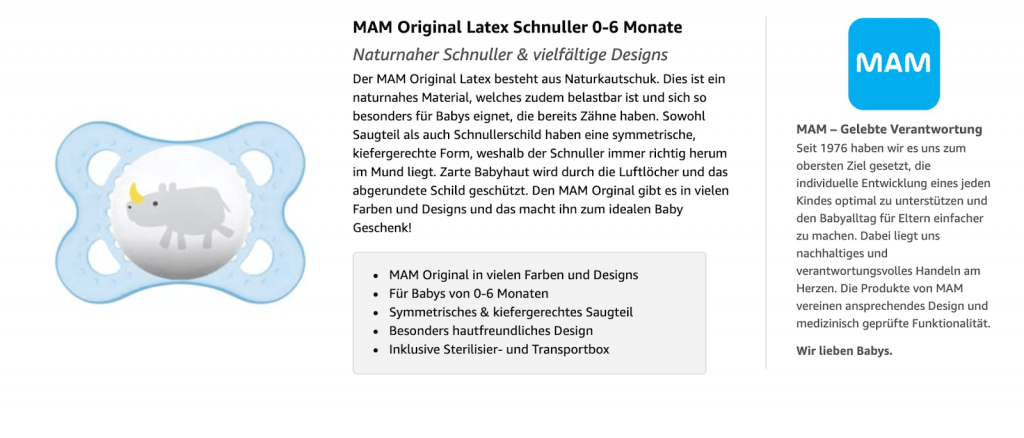
We recommend using clear visuals that demonstrate the product’s USPs with concrete examples. Short copy that highlights the most important product features is particularly effective.
This section is especially important for products with many variants, technical details, or features that require explanation. Customers should understand at a glance what makes the product stand out and why it fits their needs better than alternative options.
Support cross-selling
In sections such as “You might also like,” “Customers also bought,” or Amazon-generated comparison tables that include competitor products, companies can only influence the displayed content through Sponsored Ads.
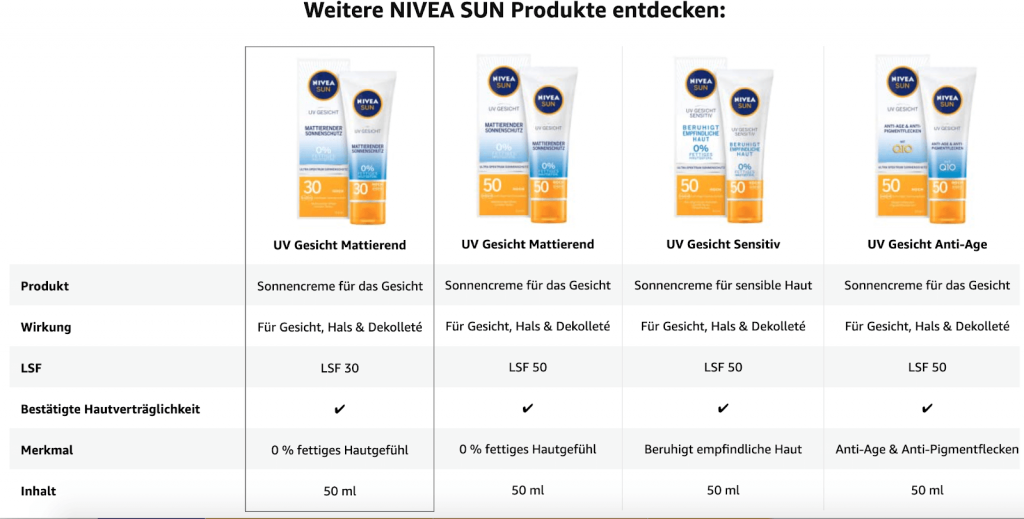
With self-created comparison tables featuring their own products, brands achieve two goals at once: they prevent customers from looking for alternatives from other companies and keep them on their own product page. At the same time, they can present similar products from their own portfolio and offer relevant alternatives without having to bid against competitors.
Even if brands do not want to use A+ Content to its full extent, we recommend making use of the cross-selling matrix. It requires little effort but can have a strong impact.
Improve Customers’ Product Understanding
Before making a purchase, customers want to learn as much as possible about a product to determine whether it is the right choice for them. Online, this often creates barriers because certain experiences cannot be replicated digitally: customers cannot hold, touch, or try on the product.
With Amazon A+ Content, companies can present their product in much more detail and offer customers a better shopping experience, almost like in a physical store. This is especially important when size, material, usage, ingredients, compatibility, or care instructions are relevant to the purchase decision.
A strong understanding of the product also helps prevent incorrect purchases, which can lead to fewer returns and better reviews. It also strengthens the overall performance of the Amazon product detail page.
A+ One-Pager: Creating the Look and Feel of a Landing Page
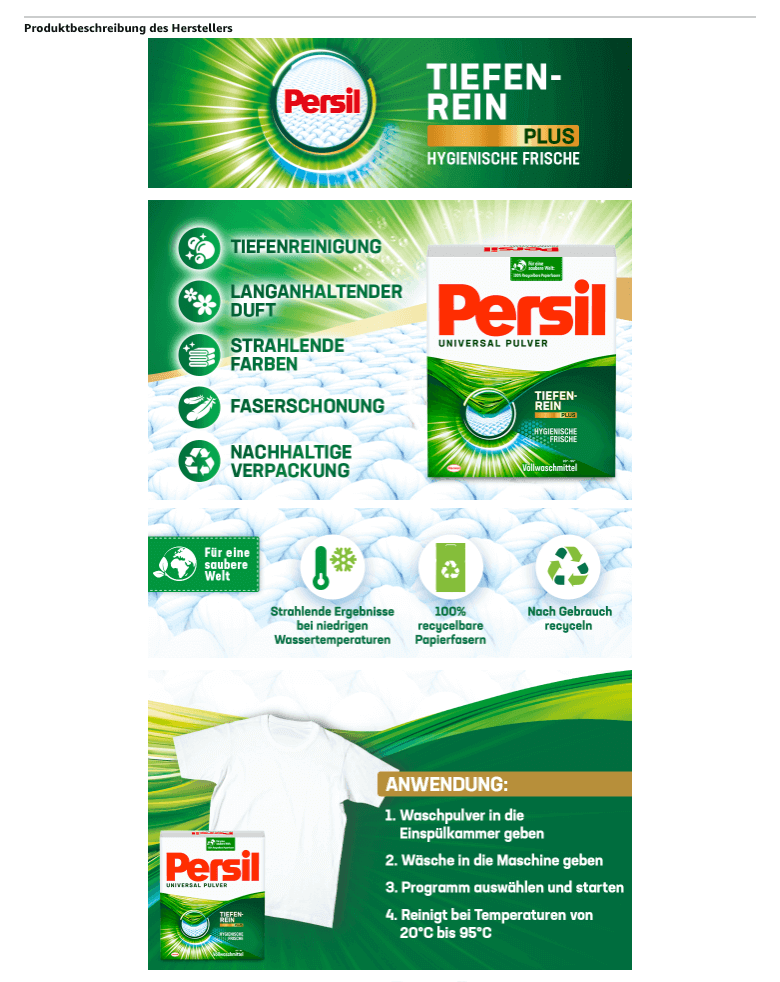
Integrating a brand’s own corporate identity into Amazon is difficult due to the platform’s predefined layouts. So-called one-pagers provide a workaround: brands create CI-compliant image banners featuring USP icons, logos, and the brand story.
When the individual elements are divided into A+ modules and placed one after another in the A+ Content Manager, they create a coherent visual experience in which the transitions between modules are almost invisible.
Good to know: Since the text fields in A+ Content are not indexed by Amazon, using image elements instead of text fields does not negatively affect product visibility on Amazon. However, the mobile view is crucial. Banners, font sizes, and image crops should be planned so that they remain readable and easy to understand on smartphones. Read more about the optimal arrangement of Amazon content in the mobile view.
Sustainability in Focus: Sustainability A+
A special form of A+ Content is known as Sustainability A+. Depending on the account, marketplace, and approval status, brands can use it to present sustainability projects and create dedicated content around them.
Sustainability A+ is not automatically available to every brand and must be enabled by Amazon. Once enabled, it can be accessed within the A+ Manager. Amazon allows brands to fill three modules, with a choice of seven different module types.
Differences Between Vendors and Sellers: A+ and Premium A+ Content
Requirement for Creating A+ Content: Amazon Brand Registry
The way companies can use A+ Content depends on whether they operate as vendors or sellers on Amazon. Sellers can only use A+ Content if their brand is registered with Amazon or if they participate in special programs such as Launchpad or Amazon Exclusive. Vendors, on the other hand, automatically receive access to create A+ pages.
Product Description
For sellers, A+ Content replaces the product description, whereas for vendors it supplements the product description. In some product categories, however, the product description may also be overwritten for vendors.
Vendors can use the still-visible product description to provide an overview of the product’s features before the A+ Content begins.
What Is Amazon Premium A+ Content and Why Is It Important?
In addition to standard A+ Content, eligible accounts can access Amazon Premium A+ Content. This format is often also referred to as A++. Premium A+ provides additional modules that allow brands to enhance their content even further. These include:
· Videos
· Full-width images
· Hotspot modules
· Carousel modules
· Interactive comparison tables
· Q&A modules
· Larger and higher-resolution image areas
For sellers, there are currently two key requirements for unlocking Premium A+ Content: a Brand Story must be published for the brand-owned ASINs, and at least five A+ Content projects must have been approved within the past 12 months. Once these criteria are met, the option is usually shown as a notification in the A+ Content Manager. Vendors need to be invited by Amazon in order to use Premium A+ Content.
Premium A+ is particularly useful when products require a high level of explanation, when variants need to be compared, or when videos provide genuine added value. However, brands should not use the additional options simply because they are available. The decisive factor should always be whether they improve product understanding and make the purchase decision easier.
Good to know: With standard A+ Content, brands must rely on Amazon to automatically adapt the content for mobile. With Premium A+ Content, however, it is possible to upload an additional mobile version for banners. This helps prevent banners from becoming unreadable on smartphones.
Amazon A+ Content Examples: Which Types of Content Work Best?
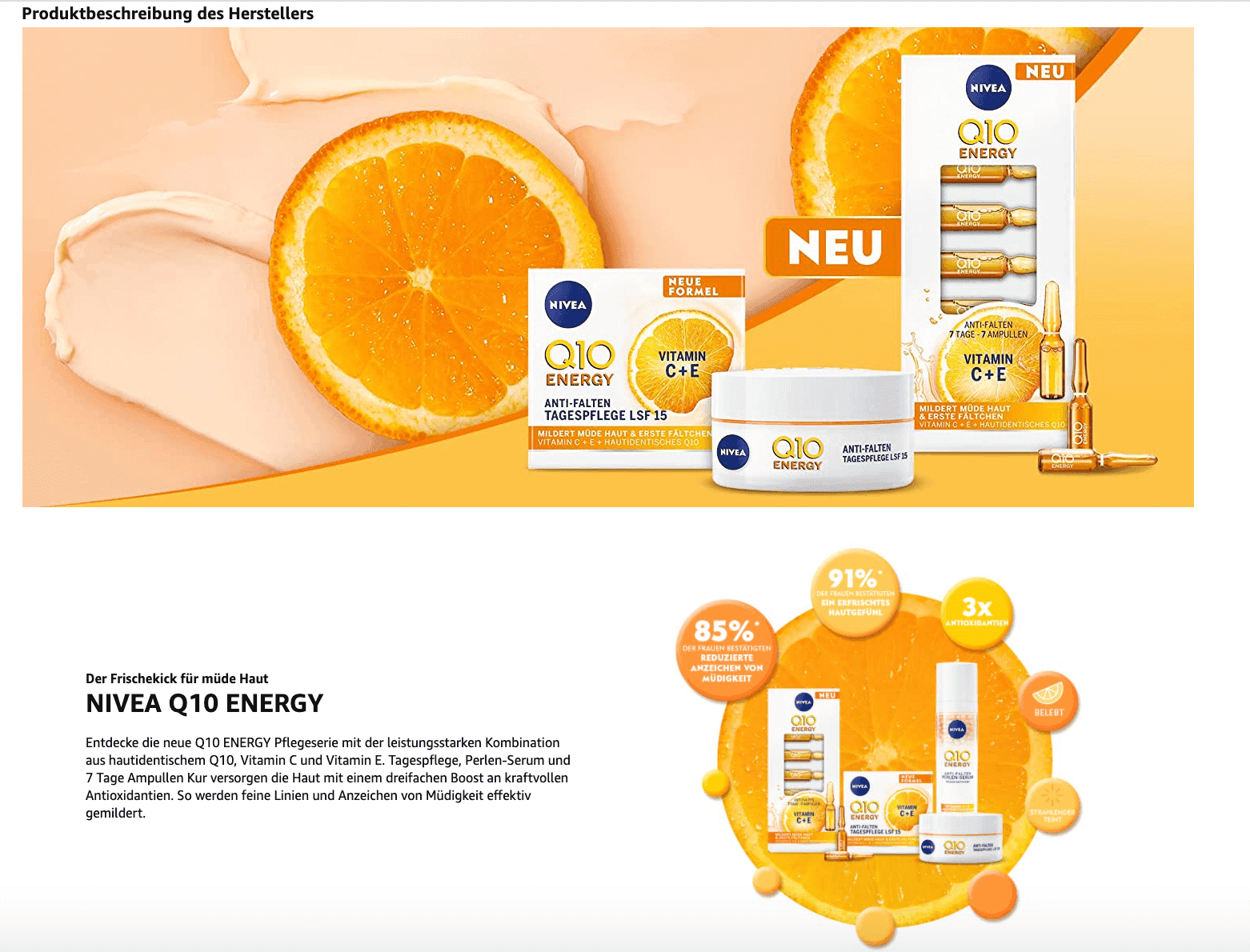
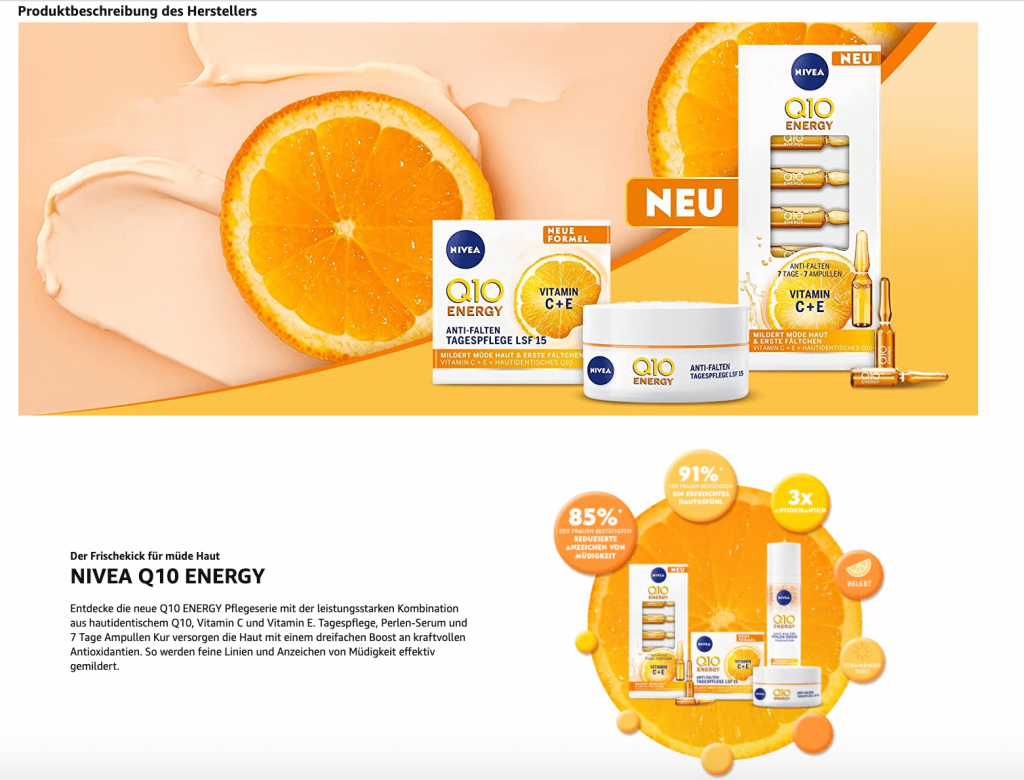
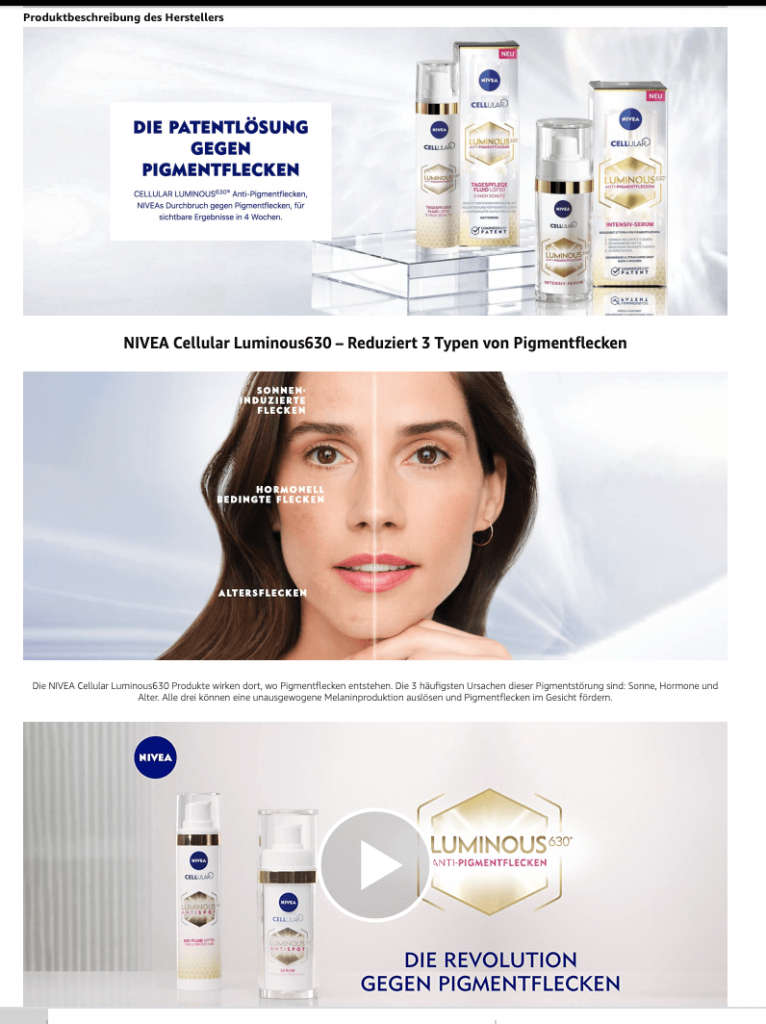
Good Amazon A+ Content examples usually have one thing in common: they are not overloaded. They explain the product step by step, combine emotional imagery with concrete information, and answer the most important questions before purchase.
Particularly effective elements include:
· A hero banner featuring the product, brand, and core value proposition
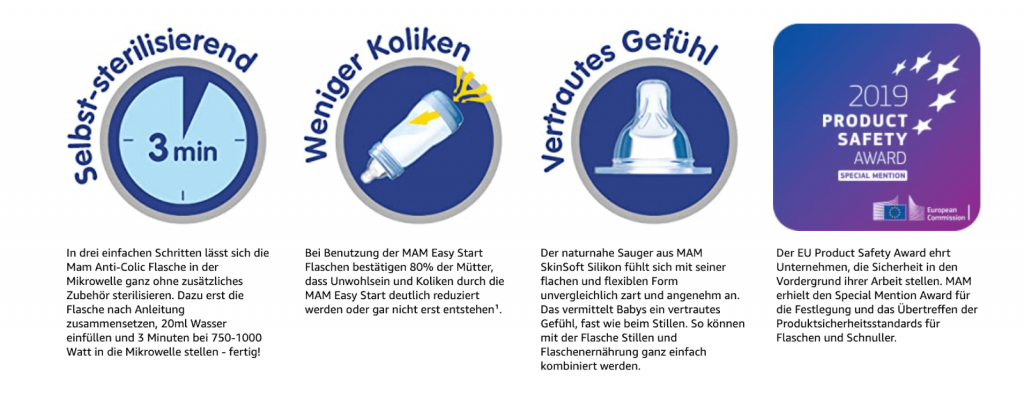
· USP modules with clear icons and concise copy
· Application steps or before-and-after visuals
· Comparison tables for variants or product lines
· Detail images for materials, ingredients, or technical features
· Brand Story elements when the brand itself is a strong differentiator
· Videos or hotspots in Premium A+ Content when movement or interaction improves understanding
When creating A+ Content, brands should always evaluate which questions customers ask in reviews, Q&A sections, search queries, or return reasons. The best A+ pages are not based only on design ideas but on a real understanding of the purchase decision.
For brands that want to develop A+ Content strategically, it is worth taking a closer look at Remazing’s Content Services.
Create Personalized A+ Content in 4 Steps
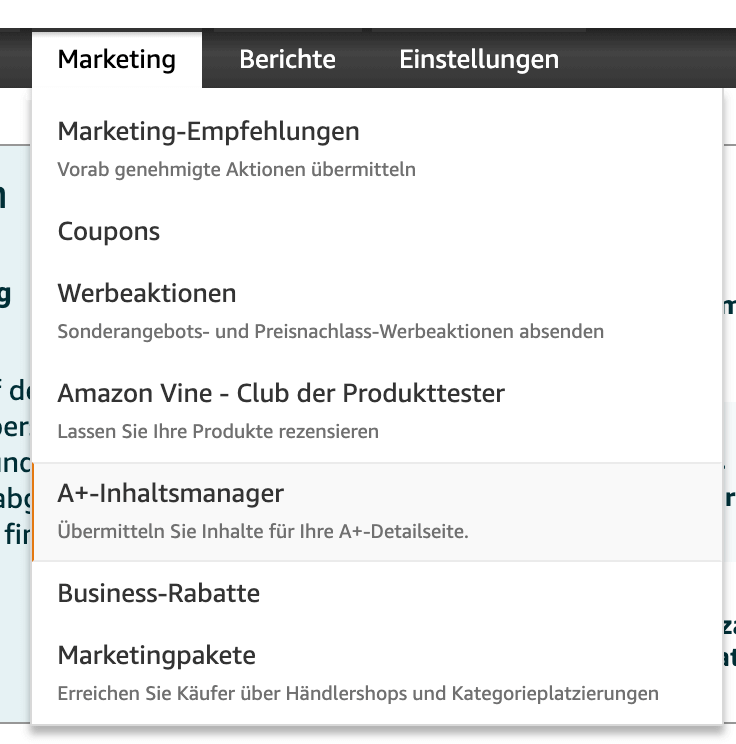
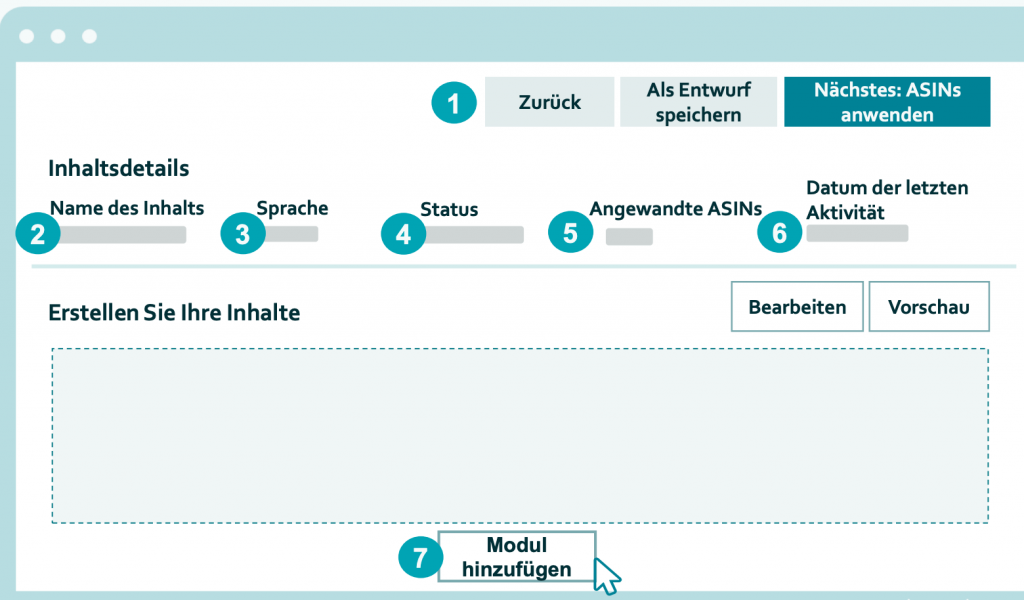
Vendors can find the A+ Content Manager in Vendor Central under “Marketing.” Sellers can access it in Seller Central under the “Advertising” tab.
After clicking the “Start creating A+ content” button, the creation process can begin. As an alternative to creating a new page from scratch, existing content can also be duplicated and edited. This is especially helpful when similar product lines or variants need to follow a consistent structure.
Amazon A+ Content Modules
Different modules are available depending on the content type. Basic A+ offers classic image, text, and comparison modules. Premium A+ expands these possibilities with interactive and visually stronger modules. The Brand Story, in turn, provides dedicated modules for brand-related content.
The key differences are:
· Basic A+: up to 5 modules per project
· Premium A+: up to 7 modules per project
· Brand Story: dedicated brand section with separate brand modules
· Premium A+: additional options such as video, hotspots, carousels, and Q&A modules
Modules can be added to the page via the “Add module” button and then arranged in the desired order.
After clicking the button “Create content for A+”, you’re ready to go. As an alternative to creating a new page, existing content can also be duplicated and then edited.
1. Review and Select Images and Videos
Since images are the most important part of an A+ page and introduce customers to the product, selecting suitable visuals should be a priority. We recommend using sufficiently high-resolution images so that the products are always clearly visible. If images contain text, make sure that the copy remains easy to read in the mobile view.
2. Plan the Page Structure
To ensure that the A+ page communicates the intended message and conveys the desired feeling, the content structure should be planned in advance. This includes deciding which modules should be used and where they should appear. Ideally, customers should be guided through a story that highlights the product’s or brand’s unique features and builds desire for the product.
A useful structure could look like this:
1. Introduction to the brand and main benefit
2. Presentation of the most important USPs
3. Explanation of usage or product details
4. Comparison with variants or complementary products
5. Deeper content around Brand Story, sustainability, or quality promises
3. Write Impactful Copy
The appeal of Enhanced Brand Content for Amazon shoppers lies in the fact that information is presented in an attractive way and does not require reading large blocks of text. The copy should therefore be short but precise.
It is also important that the text does not sound purely promotional but answers specific questions. Instead of using generic claims such as “highest quality,” brands should explain what this quality consists of: material, workmanship, usage, certification, origin, or compatibility.
4. Submit to Amazon
Once all images and copy are in place, the ASINs on whose product detail pages the A+ Content should appear need to be added. The content can also be uploaded for several ASINs at once, provided they belong to the respective brand and are eligible.
A preview can be created beforehand to show how the content will appear on the product detail page. The page is then submitted to Amazon for review and approval. The review process can take up to seven business days, although in many cases it is completed sooner.
Important: Before submitting, we recommend checking carefully for errors, unreadable text, unsupported claims, and incorrect ASIN assignments. If errors are discovered after the content has been published, the page must be resubmitted for approval after correction. In the worst case, incorrect information could remain visible for several days.
Which Guidelines Do Sellers and Vendors Need to Follow?
There are many possibilities with Amazon A+ Content, but for the platform to approve and publish the content, sellers and vendors must follow certain rules. The following are not permitted:
· Publishing company contact details
· Using time-sensitive claims such as “New now!”
· Naming competitors or competitor products
· Using quotes from external sources
· Linking to external websites
· Uploading low-quality images
· Uploading copy with excessive grammar or spelling errors
Conclusion: A+ Content for a High-Quality Shopping Experience
Amazon A+ Content allows brands to use images and short but meaningful copy to tell stories around their products, highlight unique selling points, and improve customers’ product understanding.
Best-practice A+ Content can lead to higher conversion rates, increased sales, better reviews, and lower return rates. It gives customers a high-quality shopping experience that helps products stand out from others on Amazon.
The key is not to use as many modules as possible, but to provide the right content for the specific purchase decision. Strong A+ pages are clearly structured, easy to read on mobile, visually convincing, and closely aligned with the questions and needs of the target audience.
FAQ: Amazon A+ Content
What is Amazon A+ Content?
Amazon A+ Content is an enhanced form of the product description on Amazon. Sellers and vendors can use it to integrate additional images, copy, comparison tables, brand elements, and, depending on eligibility, videos or interactive modules into product detail pages.
What is the difference between Amazon A+ and Amazon Premium A+?
Basic Amazon A+ provides classic modules for images, copy, and comparison tables. Amazon Premium A+ expands these possibilities with larger image areas, videos, hotspots, carousels, Q&A modules, and other interactive elements.
Is Enhanced Brand Content still relevant?
Enhanced Brand Content was the former term for enhanced brand content used by sellers. Today, the term Amazon A+ Content is generally used instead.
Are there Amazon A+ Content templates?
Yes. In the A+ Content Manager, Amazon provides various modules and layouts that can be used as Amazon A+ Content templates. These templates can be combined depending on the content type, product, and brand.
Where can I find good Amazon A+ Content examples?
Good Amazon A+ Content examples can usually be found among strong brands with products that require explanation, clear USP modules, high-quality images, and well-used comparison tables. The key is that these examples should not only look good but also reduce concrete purchase barriers.
When is Amazon Premium A+ worthwhile?
Amazon Premium A+ is especially worthwhile for products with a high need for explanation, multiple variants, strong visual use cases, or when videos and interactive modules significantly improve product understanding.